
The Ancient Greek Pursuit of Fortune
The concept of luck and fortune has been a central theme in human history, deeply intertwined with philosophical thought since antiquity. Ancient Greeks, for instance, believed in a complex pantheon of gods and goddesses who influenced mortal affairs, including the outcomes of games of chance. Their understanding of fate, or ‘moira,’ suggested that while destinies were often predetermined, human actions and divine favor could still play a role in shaping one’s fortune. This perspective highlights a nuanced view of gambling, not merely as random chance, but as an arena where destiny, free will, and the favor of higher powers could converge. The allure of a place like aphrodite casino is rooted in this ancient human desire for favorable outcomes.

This historical fascination with fortune’s fickle nature is echoed in modern gambling establishments. The allure of the casino is not just in the potential for material gain, but in the psychological experience of confronting uncertainty. Philosophers have long pondered the human drive to seek such experiences, often linking it to our innate desire for control over the uncontrollable, or perhaps a primal urge to test the boundaries of fate. The very act of placing a bet, regardless of the specific game, engages with these deep-seated human impulses, making the casino a unique stage for exploring our relationship with chance.
Mindset and Strategy in Games of Chance
Beyond the purely philosophical, the approach one takes to gambling can be seen through a lens of strategic thinking and psychological fortitude. While luck is undeniably a significant factor in casino games, a discerning player understands that certain approaches can enhance their experience and potentially improve their outcomes. This involves developing a disciplined mindset, understanding the probabilities of different games, and managing resources effectively. A player who approaches gambling with a clear strategy, rather than impulsively, is more likely to navigate the inherent risks with greater composure.
The psychology of gambling is a fascinating field. Understanding biases, such as the gambler’s fallacy, is crucial. This fallacy is the mistaken belief that if something happens more frequently than normal during a given period, it will happen less frequently in the future, or vice versa. Recognizing and actively combating such cognitive distortions is a philosophical exercise in self-awareness, applicable not just at the gaming table but in all aspects of life. A calm, analytical approach, devoid of emotional attachment to wins or losses, often leads to more rational decision-making.
The Ethics of Gambling and Responsible Play
As with any activity involving risk and potential reward, gambling raises ethical considerations. Philosophies of ethics often explore the balance between individual liberty and the potential for harm. Responsible gambling is not just a regulatory concern; it is an ethical imperative for both the player and the establishment. This means engaging in gambling with a clear understanding of the risks involved, setting limits, and recognizing when the pursuit of fortune crosses into problematic behavior. A mindful approach ensures that the thrill of the game does not overshadow personal well-being.
The societal impact of gambling is another area where philosophical debate thrives. While it can provide entertainment and economic benefits, it also carries the potential for significant social costs. Therefore, the principles of fairness, honesty, and accountability are paramount. Establishing an environment that promotes responsible play, offers support for those who may develop issues, and ensures transparent operations are all facets of an ethically grounded approach to the gambling industry, reflecting a commitment to the welfare of patrons.
Understanding Probability and Randomness
At its core, gambling is a demonstration of probability and randomness. Philosophers have long grappled with the nature of chance itself, questioning whether true randomness exists or if it’s simply a reflection of our limited understanding of underlying deterministic processes. In the context of casinos, understanding the mathematical principles at play – like the house edge inherent in most games – is a form of applied philosophy. It requires accepting a certain level of unpredictability while simultaneously applying logic to mitigate potential negative outcomes.
The acceptance of randomness is a profound psychological and philosophical challenge. Many find comfort in predictability, and the inherent uncertainty of games of chance can be unsettling. However, embracing this uncertainty, rather than fighting against it, can lead to a more enjoyable and less stressful gambling experience. By understanding that each spin of the roulette wheel or shuffle of the cards is an independent event, players can detach themselves from outcomes and focus on the process and the entertainment value, a key tenet of mindful engagement.
Aphrodite Casino: A Venue for the Pursuit of Fortune
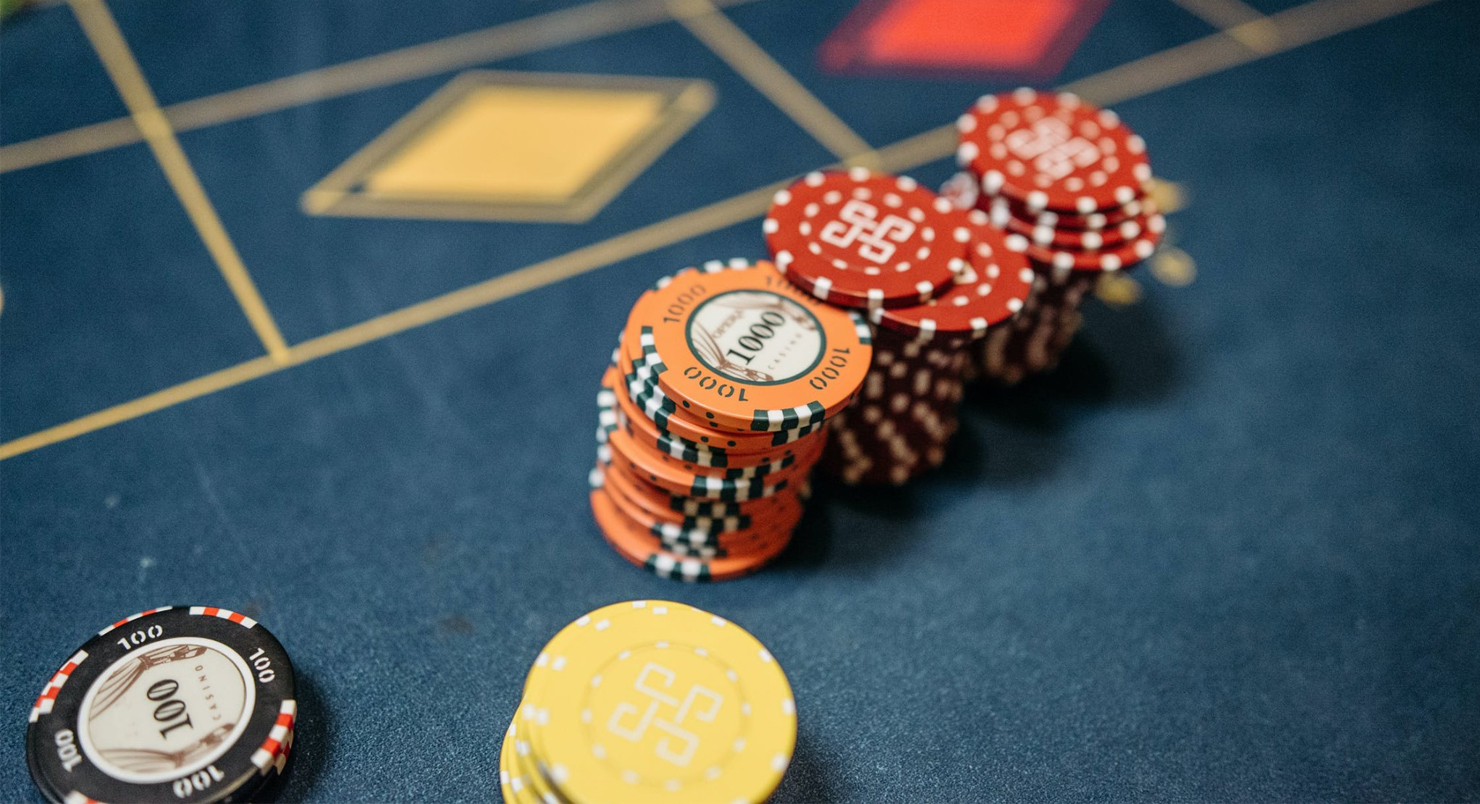
The venue known as Aphrodite Casino, named after the Greek goddess of love and beauty, inherently taps into themes of desire, allure, and the pursuit of good fortune. While not directly a philosophical treatise, the very branding suggests an environment where patrons come to seek pleasurable experiences and perhaps a touch of divine favor in their quest for wins. The atmosphere of such establishments often aims to evoke a sense of excitement and anticipation, mirroring the ancient fascination with fate and chance.
When engaging with a reputable gambling venue like Aphrodite Casino, or any reputable gambling venue, adopting a considered approach is key. This involves understanding the games offered, setting a budget, and playing for entertainment. The “secrets” to a big win are less about hidden knowledge and more about a combination of luck, disciplined strategy, and responsible play. By embracing the philosophical underpinnings of fortune and chance, and applying them with a level head, players can enhance their enjoyment and approach their gaming sessions with a greater sense of control and awareness.
Comments are closed.