
Understanding Cognitive Biases in Gambling
The world of gambling, while offering excitement and the allure of quick wins, is deeply intertwined with human psychology. One of the most significant areas where psychology impacts gambling is through cognitive biases – systematic patterns of deviation from norm or rationality in judgment. These biases can lead players to make decisions that are not always in their best interest, often driven by subconscious thought processes rather than logical analysis, and it’s important to be aware of resources like bigwin-box.org.uk when exploring these opportunities.
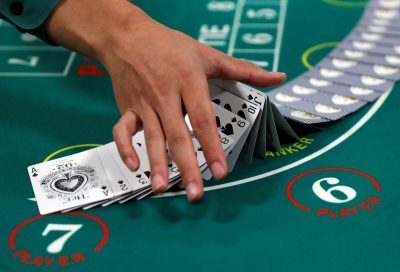
Common biases include the gambler’s fallacy, where individuals believe that past independent events influence future ones (e.g., after a series of reds on roulette, believing black is “due”). Confirmation bias also plays a role, leading players to focus on wins and dismiss losses, reinforcing a belief in their own skill or luck. Recognizing these mental shortcuts is the first step towards a more refined and potentially more successful gambling approach.
Emotional Regulation and Gambling Decisions
Emotions are powerful drivers of behaviour, and in gambling, they can be particularly volatile. Excitement, frustration, hope, and despair can all influence decision-making, often leading to impulsive actions. For instance, chasing losses when feeling frustrated can lead to bigger bets and further financial setbacks. Conversely, the euphoria of a big win might lead to overconfidence and recklessness.
Developing emotional regulation is a critical psychological breakthrough for any gambler. This involves learning to identify one’s emotional state, understanding how it affects judgment, and developing strategies to maintain composure. Techniques such as mindfulness, setting strict limits, and taking breaks when emotions run high can help create a more rational and controlled gambling experience.
The Role of Perception and Expectation in Gambling
How individuals perceive their chances of winning and the overall gambling experience is heavily influenced by psychological factors. The anticipation of a win, the near-miss phenomenon (where a close call is perceived as a near win, encouraging further play), and the general atmosphere of a casino or online platform can all shape expectations. These perceptions can sometimes be distorted, leading to an overestimation of winning probabilities.
A deeper understanding of how perception and expectation are manipulated or naturally occur within gambling environments is crucial. It allows players to approach games with a more realistic outlook, acknowledging the inherent randomness and the house edge. This shift in perception can lead to more responsible play and a better appreciation of the entertainment value rather than solely focusing on an often-illusory pursuit of consistent winnings.
Leveraging Psychological Insights for Responsible Gambling
The ultimate breakthrough in a gambling approach lies in harnessing psychological insights for responsible and sustainable play. This means moving beyond simply understanding biases and emotions to actively implementing strategies that promote self-awareness and control. It involves setting clear objectives, both in terms of entertainment and financial limits, and sticking to them rigorously.
Furthermore, a psychologically informed approach encourages players to view gambling as a form of entertainment with associated costs, rather than a guaranteed income stream. It prioritizes enjoyment, strategic play within defined boundaries, and the ability to walk away when the time is right. This sophisticated understanding of the psychological landscape of gambling is key to a more positive and less detrimental engagement with these activities.

Bigwin Box and a Psychology-Informed Gambling Experience
Websites like Bigwin Box, which focus on providing access to various gambling opportunities, can be approached with a psychologically refined strategy. Understanding the platforms themselves, their game offerings, and promotional structures from a psychological perspective can be beneficial. For example, recognizing how game variety or bonus structures might appeal to certain psychological triggers can help players make more informed choices about where and how they play.
By integrating the psychological principles discussed – understanding biases, managing emotions, and shaping perceptions – with the services offered by platforms like Bigwin Box, players can aim for a more controlled and enjoyable experience. This proactive approach, informed by psychological insights, allows for engagement with gambling in a manner that prioritizes personal well-being and responsible decision-making, turning a potentially volatile activity into a more manageable form of entertainment.
Comments are closed.