
The evolution of gambling From ancient rituals to modern casinos
The Origins of Gambling
The origins of gambling date back to ancient civilizations, where the practice was often intertwined with religious beliefs and rituals. Archaeological evidence suggests that as far back as 3000 BC, the Chinese were using rudimentary dice made from animal bones for divination and fortune-telling. Such games were not merely for entertainment; they served significant cultural and spiritual functions. Similarly, in ancient Rome, gambling was prevalent among soldiers and citizens alike, where they played dice games during military campaigns and public festivals, reflecting the deep-seated connection between risk and human nature. Exploring the online version of Gates of Olympus Roulette offers a modern twist on this age-old activity.
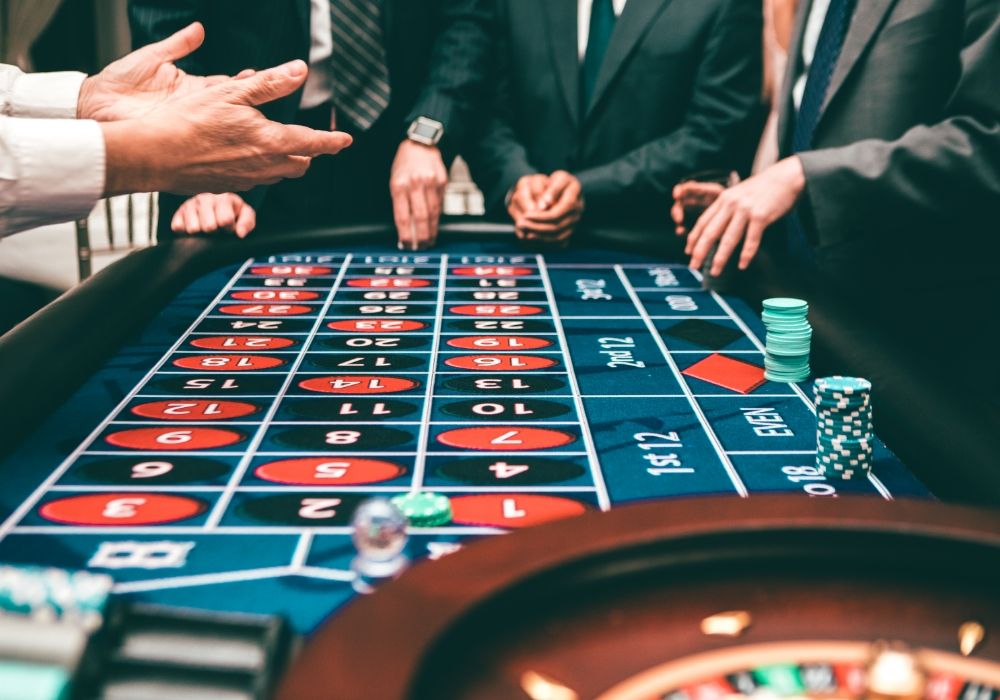
The role of gambling in these early societies illustrates how it transcended mere entertainment, becoming a lens through which people sought to understand luck, fate, and destiny. In many cultures, games of chance were seen as a way to communicate with deities or the spirit world, often accompanied by rituals intended to invite fortune. This fusion of gambling with spiritual beliefs laid a foundation for the evolution of games, as they started to become more structured and rule-based over the centuries.
As societies evolved, so did the methods and games involved in gambling. The invention of playing cards in China around the 9th century AD marked a significant turning point, as card games began to spread across continents. The adaptation of these games by various cultures led to the creation of numerous variations, each reflecting unique customs and social dynamics. This period paved the way for more complex gambling activities, shaping the very essence of what we know today as modern gaming.
The Rise of Formalized Gambling
The Middle Ages saw the emergence of more formalized gambling activities, with the establishment of organized games in public spaces. In Europe, games such as lotteries and betting on the outcomes of sporting events became popular, allowing for the first glimpses of legal frameworks governing gambling activities. This marked the transition from informal, personal betting to a more structured environment where rules were established, creating a sense of fairness and transparency among players.
The introduction of the first official lottery in England in 1569 showcased how gambling could serve government interests, as revenues were often used for public works and social programs. Simultaneously, the development of gambling houses, or casinos, in Italy during the 17th century provided dedicated spaces for various games, such as roulette and faro. These establishments catered to the upper classes, further legitimizing gambling as a pastime and integrating it into high society.
The regulation of gambling became increasingly important as its popularity soared. Governments began to impose taxes and create licensing systems to monitor gambling activities. This trend was not uniform globally, as some regions embraced gambling as a source of revenue, while others imposed strict restrictions due to moral and social concerns. Nevertheless, the establishment of regulated gambling laid the groundwork for the modern casino industry we recognize today.
The Casino Revolution
The 19th century marked a pivotal moment in the evolution of gambling with the emergence of casinos in Europe and the United States. The establishment of iconic casinos in places like Monte Carlo and Las Vegas transformed gambling into a lavish entertainment experience. These venues integrated gaming with luxury, fine dining, and lavish shows, attracting millions of visitors seeking excitement and adventure. The glitzy atmosphere of casinos became synonymous with a lifestyle of opulence, reinforcing gambling as a major leisure activity.
Moreover, the introduction of slot machines in the late 19th century revolutionized the gaming landscape. These machines, initially simple in design, quickly became a favorite among players due to their ease of use and the allure of instant rewards. The blend of chance and minimal strategy drew in a broader audience, making gambling accessible to people from all walks of life. This technological advancement not only diversified the gambling experience but also contributed significantly to the revenues generated by casinos.
The 20th century saw the global expansion of casinos, with new jurisdictions legalizing gambling to boost tourism and economic growth. The establishment of regulations, along with the introduction of various games and betting options, catered to evolving consumer preferences. This period also witnessed the rise of online gambling, which began to emerge in the late 1990s, further revolutionizing how people engage with gambling. The convergence of technology and traditional gaming opened new avenues for players worldwide, setting the stage for an innovative and digital future.
Modern Gambling Legislation and Trends
In the contemporary landscape, gambling legislation and regulation have become crucial to maintaining the integrity and fairness of gaming. As online casinos and sports betting gained popularity, governments worldwide faced the challenge of creating frameworks that not only promote responsible gambling but also protect consumers from potential exploitation. The regulation of online gambling became a major focus, with many jurisdictions establishing licensing bodies to oversee operators and ensure compliance with laws aimed at preventing fraud and addiction.
Additionally, the rise of mobile gambling has transformed how players access gaming. The convenience of apps and websites allows individuals to gamble anytime and anywhere, sparking discussions about the implications for responsible gaming. Legislation continues to evolve, with many regions adopting measures to address issues like underage gambling and problem gambling. This ongoing effort reflects society’s recognition of gambling as an activity that requires thoughtful oversight to balance enjoyment with social responsibility.
Trends in gambling regulation also mirror broader societal changes, such as the push for inclusivity and diversity within the industry. Many jurisdictions are exploring ways to promote responsible gambling practices, integrating technology to provide tools for players to monitor their activities. The focus on creating a safe and inclusive environment signifies a critical step toward ensuring that the evolution of gambling continues to prioritize the well-being of individuals while allowing for personal choice and enjoyment.

Exploring the Future of Gambling
The future of gambling promises exciting developments as technology continues to influence every aspect of the industry. With advancements in virtual reality and augmented reality, players can expect immersive gaming experiences that replicate the thrill of physical casinos from the comfort of their homes. These technologies are set to revolutionize how games are designed, making them more interactive and engaging. The blend of traditional casino elements with cutting-edge technology could reshape the gambling landscape entirely.
Furthermore, artificial intelligence is playing a pivotal role in personalizing gambling experiences. AI algorithms can analyze player behavior and preferences, creating tailored recommendations for games and offers. This not only enhances user experience but also helps operators retain customers by providing them with relevant and enticing options. As AI continues to evolve, it may also assist in identifying and mitigating problem gambling behaviors, promoting responsible gaming in a proactive manner.
The ongoing dialogue about gambling legislation and regulation will remain vital as new trends emerge. Policymakers will need to adapt quickly to changes in technology, player behavior, and societal attitudes toward gambling. As the industry continues to expand, ensuring a balance between innovation, player protection, and responsible gambling will be crucial for a sustainable future, allowing the rich history of gambling to evolve into a thriving and dynamic part of modern society.