
Understanding the Psychology of Casino Games
The allure of casino games often stems from a complex interplay of psychological factors. Understanding these underlying principles is crucial for anyone looking to navigate the world of gambling, whether for entertainment or with a more strategic approach. Factors such as the intermittent reinforcement schedule, where wins are unpredictable, create a powerful loop that encourages continued play. This unpredictability, coupled with the excitement of potential large payouts, taps into primal reward pathways in the brain, and it’s here that some may find themselves drawn to online options like magius casino uk.
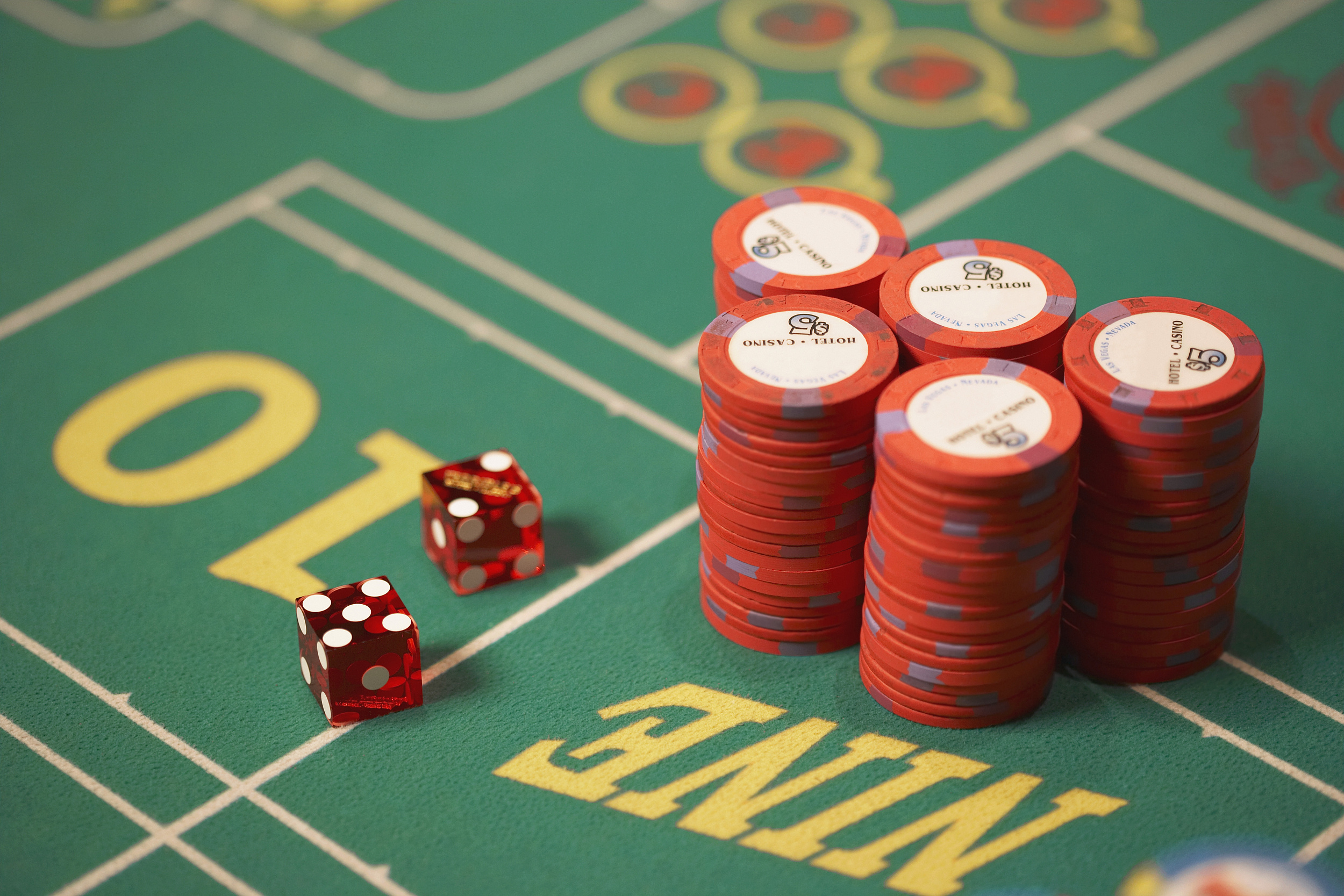
Furthermore, cognitive biases play a significant role in how players perceive their chances of winning. The gambler’s fallacy, for instance, is the mistaken belief that if something happens more frequently than normal during a given period, it will happen less frequently in the future, or that if something happens less frequently than normal during a given period, it will happen more frequently in the future. Recognizing these biases is a vital step in developing a more rational approach to gambling, moving away from superstition and towards a clearer understanding of probability.
Strategic Approaches to Casino Gaming
While luck is undeniably a component of casino games, strategic approaches can significantly enhance the player’s experience and potentially their outcomes. This involves more than just picking a lucky number; it requires a deep dive into game mechanics and mathematical probabilities. For games like blackjack, mastering basic strategy can reduce the house edge considerably. Similarly, in video poker, understanding paytables and optimal playing decisions can lead to a more favorable return over time.
Effective bankroll management is another cornerstone of any successful gambling strategy. This means setting strict limits on how much money you are willing to wager and sticking to them, regardless of wins or losses. Dividing your bankroll into smaller units for each gaming session and deciding on a stop-loss point – a predetermined amount at which you will cease playing for that session – are essential practices. This disciplined approach helps prevent significant financial setbacks and allows for longer, more enjoyable gaming experiences.
The Role of Probability and Odds
At the heart of every casino game lies a foundation of probability and odds. Whether it’s the spin of a roulette wheel or the shuffle of a deck of cards, each outcome is governed by mathematical principles. Understanding these probabilities allows players to make more informed decisions. For example, knowing the odds of hitting a certain hand in poker can influence betting decisions, and understanding the house edge in various slot machines can guide choices towards games with potentially better long-term returns.
The house edge is a statistical advantage that the casino holds over the player, ensuring profitability over time. While it’s impossible to eliminate the house edge entirely in most casino games, players can strive to minimize its impact through informed play. This involves selecting games with lower house edges, such as certain variations of blackjack or baccarat, and employing optimal strategies where applicable. It’s about playing smarter, not just playing more, to leverage the inherent probabilities in your favor as much as possible.
Building a Framework for Responsible Gambling
Responsible gambling is paramount for a healthy and sustainable engagement with casino entertainment. This involves a conscious effort to maintain control over one’s gambling activities, ensuring it remains a leisure pursuit rather than a compulsion. Setting clear time and financial limits before commencing play is a fundamental aspect of this framework. These boundaries act as crucial safeguards, preventing excessive spending and time commitment.
Furthermore, it is essential to approach gambling with realistic expectations. Recognizing that casino games are designed to favor the house, and that significant wins are not guaranteed, is key. Players should view gambling as an expense for entertainment, similar to going to the movies or a concert, rather than a means of making money. Seeking help if gambling becomes problematic is also a vital component of responsible behavior, with many organizations offering support and resources for those who need it.

MAGIUS: Supporting the Community
While the title of this article delves into transformative gambling frameworks, it’s important to acknowledge the broader context of the MAGIUS organization. MAGIUS is dedicated to supporting individuals and families facing challenges, particularly those impacted by muscular dystrophy. Their mission focuses on providing resources, advocacy, and community building to enhance the lives of those they serve. This commitment to well-being and support stands in contrast to the often solitary and potentially isolating nature of gambling.
MAGIUS strives to create a network of care and assistance, offering tangible help and a sense of belonging. Their work emphasizes empowerment and improving the quality of life through various programs and services. For those seeking a reliable and supportive community, MAGIUS represents a valuable resource, focusing on genuine human connection and tangible aid rather than the ephemeral nature of chance found in casino environments.
Comments are closed.